Dr Samson uses the Mako robotic-assisted knee replacement system for knee replacement. Mako uses advanced computer technology and precision instruments to support personalised surgical planning, bone preparation and implant positioning. The system provides Dr Samson with detailed information about your knee anatomy, alignment and ligament balance, helping tailor the position of the knee replacement to your knee.
The robot does not perform the operation independently. Dr Samson remains in control throughout your procedure and uses the technology as a surgical tool to assist with planning, bone preparation and implant placement.
The aim of surgery is to relieve your pain, improve your knee function and restore mobility when symptoms caused by knee arthritis are no longer adequately managed with non-surgical treatment.
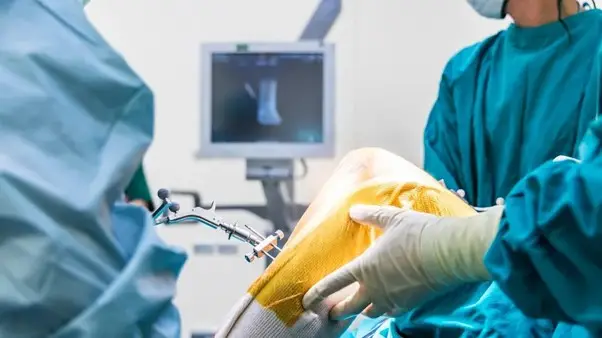
This plan provides a detailed guide for your surgery but can be refined during the procedure based on your knee’s movement, stability and ligament balance. The final surgical decisions remain with Dr Samson, with robotic technology used to support planning and precision rather than replace the surgeon’s judgement.
During surgery, robotic technology helps translate your pre-operative plan into precise bone preparation and implant positioning. The system provides Dr Samson with real-time guidance based on your individual knee anatomy and the planned position of your knee replacement components.
The robotic system provides defined boundaries for bone preparation and assists Dr Samson in preparing the knee according to the personalised surgical plan.
The robot provides feedback on component alignment, knee movement and ligament balance during the procedure, including before bone preparation and after the definitive implants are positioned. Dr Samson can adjust the surgical plan where required based on the condition, movement and soft-tissue balance of your knee.
During robotic-assisted knee replacement surgery, the system provides real-time information about your knee alignment, movement and ligament tension. This allows Dr Samson to assess how your knee moves through a range of motion before the final implant position is confirmed. Your surgical plan is adjusted to help achieve an appropriate soft-tissue and ligament balance as your knee moves through its range of motion. This is important because knee balance can influence stability, movement, and overall function after surgery.
Robotic technology supports these decisions by providing objective measurements throughout the procedure, which Dr Samson uses alongside his clinical judgement to determine the most suitable implant position and soft-tissue balance for your knee.
Dr Samson has performed more than 1,000 Mako robotic-assisted knee replacement procedures.
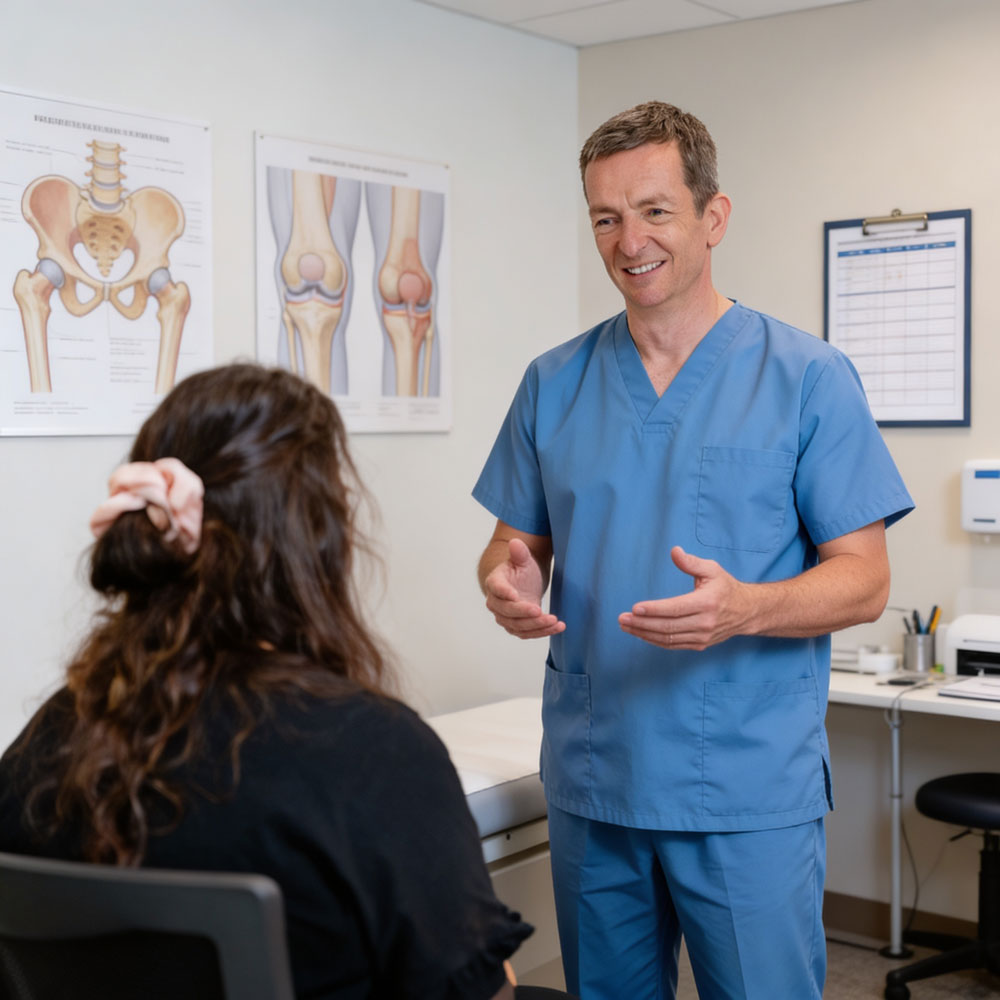
A referral from your GP or another medical practitioner is required to be eligible for a Medicare rebate for your consultation with Dr Samson.
During your appointment, Dr Samson will discuss your symptoms, medical history, activity levels and any treatments you have previously tried. He will examine your knee and review any existing scans or imaging. Further investigations, such as X-rays or an MRI, may be arranged if additional information is required to confirm the diagnosis and guide treatment planning.
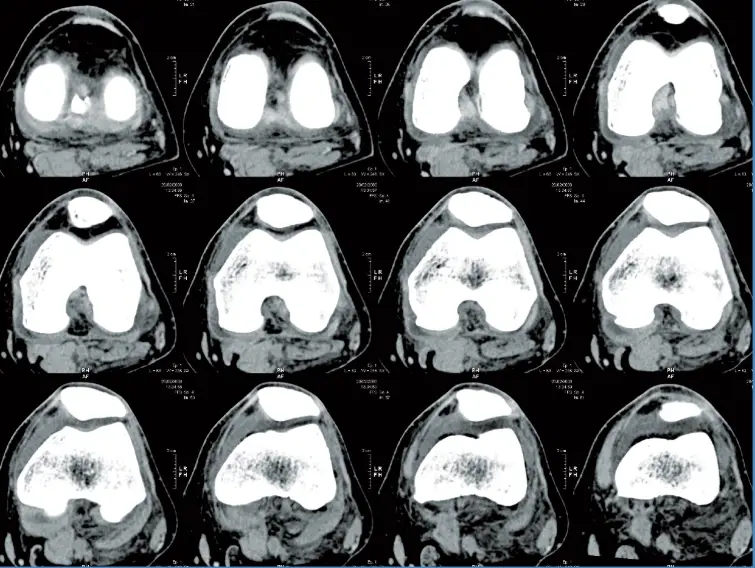
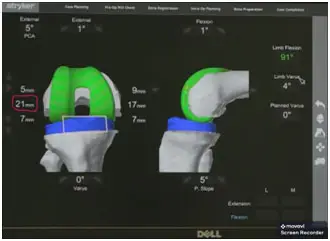

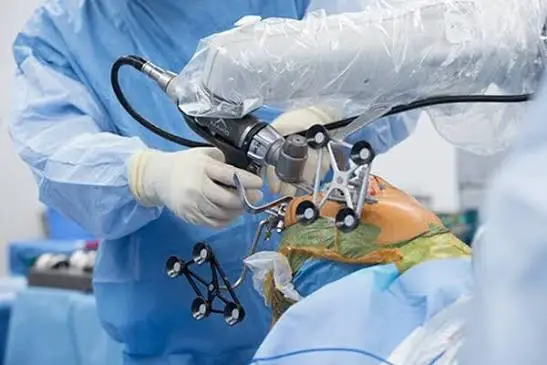
During surgery, Dr Samson uses the Mako robotic system to assist with bone preparation, implant positioning, alignment and knee balancing.