Total Hip Replacement (Arthroplasty)

If you are seeing Dr Samson for the first time, a valid referral from your General Practitioner (GP) or another medical specialist is required. A GP referral is valid for 12 months, while a specialist referral is valid for 3 months from the date issued. A referral allows you to claim a Medicare rebate for your consultation and provides Dr Samson with helpful background information about your condition.

Relieving hip pain and improving movement with total hip replacement surgery

Total hip replacement surgery involves replacing the damaged ball and socket of the hip joint with prosthetic components designed to restore smoother movement and improve function. During surgery, the worn femoral head is replaced with a smooth prosthetic ball attached to a stem, while the hip socket is fitted with a new liner to help the joint move more freely.

This procedure is commonly performed to treat advanced hip arthritis and other conditions that cause significant hip joint damage. The aim of surgery is to help reduce pain, improve mobility and function, and support a return to everyday activities and quality of life.

Is hip replacement surgery right for you?

If hip pain and stiffness are beginning to affect your mobility, sleep, exercise, or everyday activities, total hip replacement surgery may be considered as a treatment option. Hip replacement surgery is most commonly performed for arthritis and other conditions that cause damage to the hip joint.

Before surgery is recommended, non-surgical treatments such as physiotherapy, activity modification, medications, and injections are usually explored first. When these measures are no longer providing adequate relief, hip replacement surgery may help improve comfort, movement, and overall function.

Hip replacement surgery may be suitable if you are experiencing:
Potential advantages of hip replacement surgery may include:

During your consultation, Dr Anthony Samson will assess your symptoms, medical history, lifestyle, and imaging to determine whether hip replacement surgery may be an appropriate treatment option for your individual needs.

Anterior and posterior hip replacement approaches

Total hip replacement surgery can be performed using different surgical approaches to access the hip joint. The two most commonly used techniques are the anterior approach and the posterior approach. Both approaches allow the damaged hip joint to be replaced with prosthetic components designed to improve movement and reduce pain.
The main difference between these techniques relates to how the surgeon accesses the hip joint.

In the anterior approach, the hip joint is accessed from the front of the hip. This technique works between natural muscle planes rather than detaching major muscles from bone, which is why it is often described as a muscle-sparing approach. In appropriately selected patients, the anterior approach may support early movement and recovery following surgery. Patients are often able to begin walking soon after surgery with guidance from the physiotherapy team.
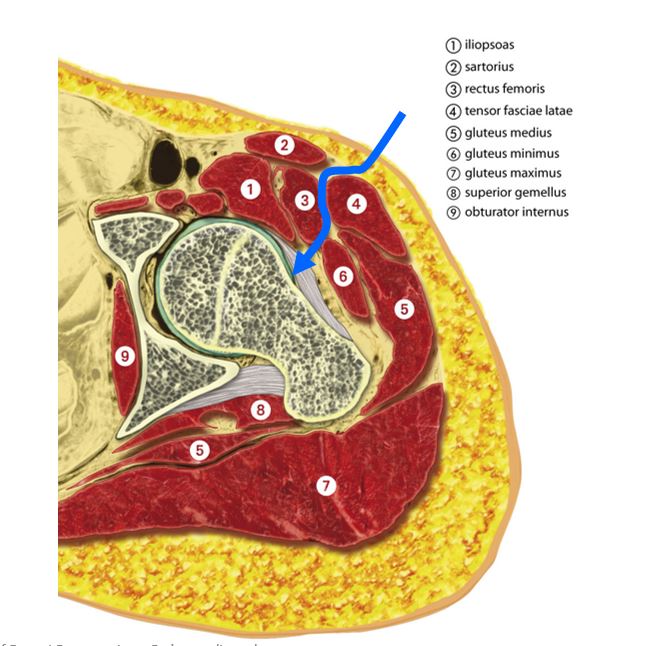
Due to its muscle-sparing technique and potential benefits for early recovery, Dr Anthony Samson commonly performs the anterior approach to hip replacement surgery where appropriate for the individual patient.

In the posterior approach, the hip joint is accessed from the back of the hip. This technique has been used for many years and provides excellent access to the hip joint during surgery. The posterior approach involves working through muscles and soft tissues at the back of the hip to access the joint. Once the hip replacement components are positioned, these tissues are carefully repaired.

Following a posterior hip replacement, some patients may be advised to follow hip precautions during the early recovery period to help reduce the risk of hip dislocation while the soft tissues heal. These precautions may include avoiding movements such as deep bending of the hip, twisting the leg inward, or crossing the legs.

Choosing the most appropriate surgical approach

Both the anterior and posterior approaches are well-established techniques used in hip replacement surgery. The most appropriate approach depends on several factors, including:

Technology and patient-specific planning used in hip replacement

Careful planning plays an important role in total hip replacement surgery. Before your procedure, Dr Samson reviews detailed imaging of your hip joint, typically including X-rays and, in some cases, additional imaging to assess the structure, alignment, and anatomy of your hip.

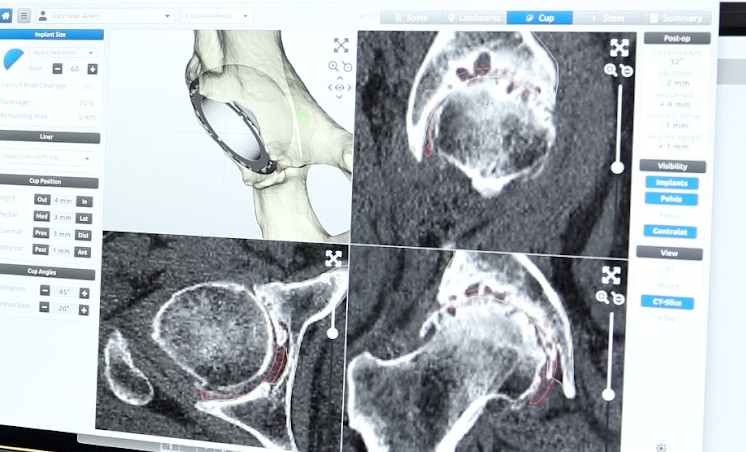
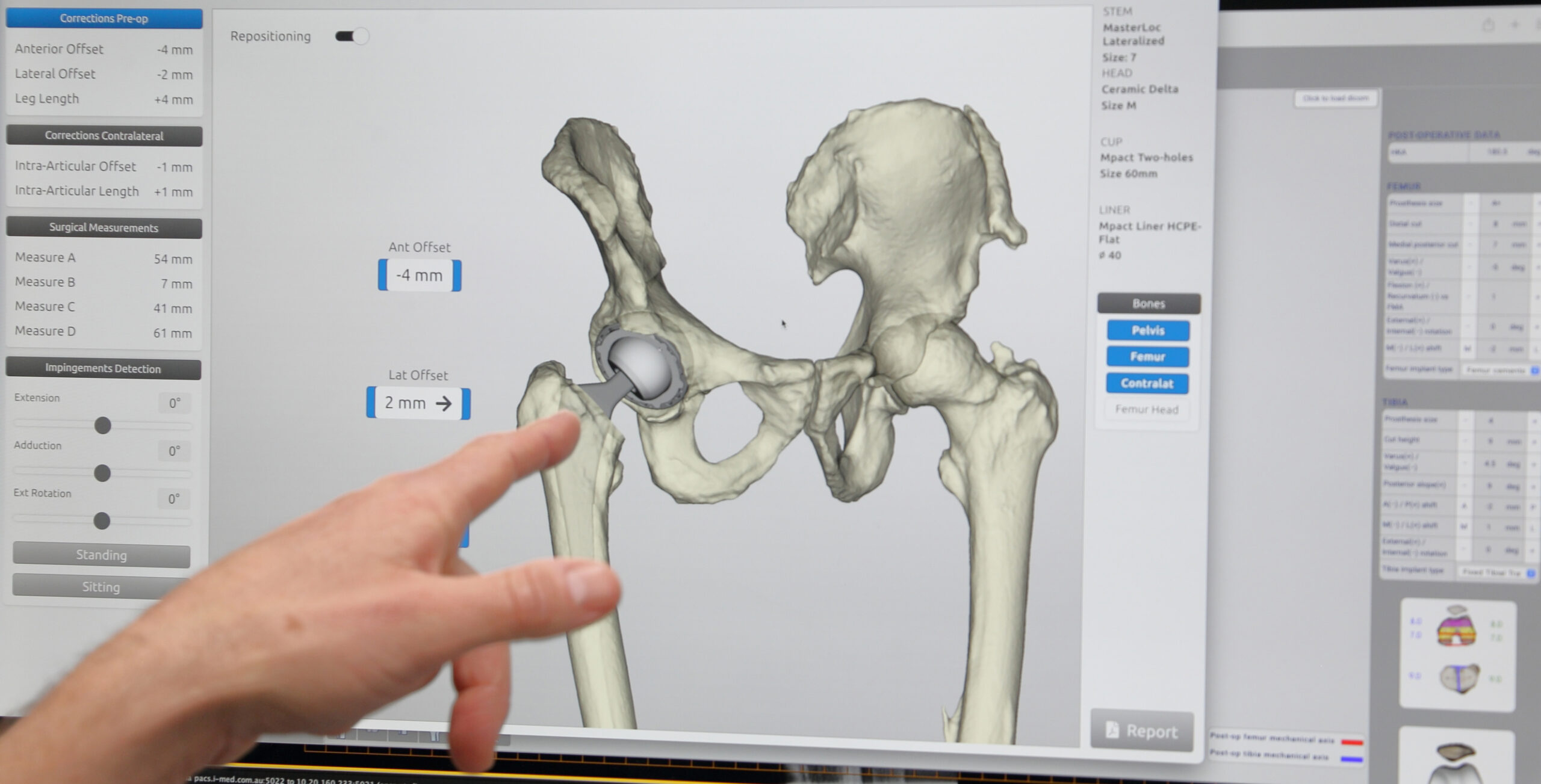
Advanced digital planning technology may also be used to assist with patient-specific surgical planning. This allows implant size, positioning, leg length, and joint alignment to be carefully assessed prior to surgery.

By analysing your individual anatomy before the procedure, the surgical plan can be tailored to help support accurate implant positioning, stable joint movement, and overall hip function following surgery.

More information about this process can be found on the Patient-Specific Hip Replacement page.
Hip replacement implants and prosthetic components

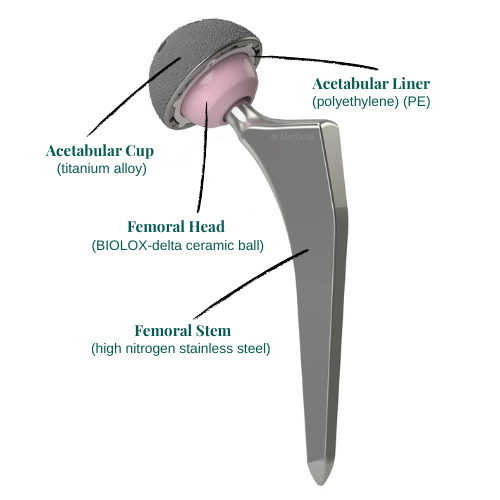
A total hip replacement uses prosthetic components to replace the damaged parts of the hip joint. These implants are designed to restore smooth movement, joint function, stability, and long-term durability.

The femoral component, commonly referred to as the stem, is inserted into the thigh bone (femur) and forms the foundation of the new hip joint. Dr Anthony Samson commonly uses a cemented femoral stem, where specialised surgical cement is used to secure the implant within the bone. This technique provides immediate stability at the time of surgery and allows for a reliable, well-controlled fit.

The stem is made from strong, biocompatible metal and is available in different sizes and shapes to help match your individual anatomy and support long-term function and stability.

The femoral head attaches to the top of the stem and forms the “ball” of the new hip joint. It moves within the socket component to allow smooth, controlled movement.

Femoral heads are commonly made from:

Dr Samson commonly uses a ceramic femoral head, as its smooth surface may help reduce wear within the joint over time.

The acetabular component replaces the socket of the hip joint. It is typically made from metal and fitted securely into the pelvis to provide a stable foundation for the new joint. This component is commonly press-fit (cementless) into the bone to achieve immediate stability. Its outer surface has a specialised porous coating designed to allow the surrounding bone to grow onto the implant over time, helping to support long-term fixation. In some cases, small screws may also be used to provide additional stability.

The acetabular component includes:

The liner is usually made from highly cross-linked polyethylene, a durable medical-grade plastic designed to allow smooth movement and reduce wear over time.

The articular surface, also known as the bearing surface, is where movement occurs between the ball and socket components of the hip replacement. Dr Samson commonly uses a ceramic-on-polyethylene bearing, where a ceramic head moves against a highly cross-linked polyethylene liner. This combination is widely used due to its smooth movement, durability, and low wear characteristics.

Choosing the right implant

There are several implant options available, including different fixation techniques and implant designs. The most appropriate implant combination is selected based on factors such as your anatomy, bone quality, lifestyle, and surgical requirements.

Understanding the potential risks and complications

Total hip replacement is a commonly performed orthopaedic procedure, however, as with any surgery, there are potential risks and complications that patients should be aware of. Most hip replacement procedures are completed successfully, but complications can occasionally occur during or after surgery. The likelihood of these risks varies depending on factors such as your overall health, medical history, bone quality, and the condition of the hip joint.
Potential risks associated with hip replacement surgery may include:

In the anterior approach, the hip joint is accessed from the front of the hip. This technique works between natural muscle planes rather than detaching major muscles from bone, which is why it is often described as a muscle-sparing approach. In appropriately selected patients, the anterior approach may support early movement and recovery following surgery. Patients are often able to begin walking soon after surgery with guidance from the physiotherapy team.

Due to its muscle-sparing technique and potential benefits for early recovery, Dr Anthony Samson commonly performs the anterior approach to hip replacement surgery where appropriate for the individual patient.

In the posterior approach, the hip joint is accessed from the back of the hip. This technique has been used for many years and provides excellent access to the hip joint during surgery. The posterior approach involves working through muscles and soft tissues at the back of the hip to access the joint. Once the hip replacement components are positioned, these tissues are carefully repaired.


Following a posterior hip replacement, some patients may be advised to follow hip precautions during the early recovery period to help reduce the risk of hip dislocation while the soft tissues heal. These precautions may include avoiding movements such as deep bending of the hip, twisting the leg inward, or crossing the legs.

In the posterior approach, the hip joint is accessed from the back of the hip. This technique has been used for many years and provides excellent access to the hip joint during surgery. The posterior approach involves working through muscles and soft tissues at the back of the hip to access the joint. Once the hip replacement components are positioned, these tissues are carefully repaired.


Following a posterior hip replacement, some patients may be advised to follow hip precautions during the early recovery period to help reduce the risk of hip dislocation while the soft tissues heal. These precautions may include avoiding movements such as deep bending of the hip, twisting the leg inward, or crossing the legs.

In the posterior approach, the hip joint is accessed from the back of the hip. This technique has been used for many years and provides excellent access to the hip joint during surgery. The posterior approach involves working through muscles and soft tissues at the back of the hip to access the joint. Once the hip replacement components are positioned, these tissues are carefully repaired.


Following a posterior hip replacement, some patients may be advised to follow hip precautions during the early recovery period to help reduce the risk of hip dislocation while the soft tissues heal. These precautions may include avoiding movements such as deep bending of the hip, twisting the leg inward, or crossing the legs.

In the posterior approach, the hip joint is accessed from the back of the hip. This technique has been used for many years and provides excellent access to the hip joint during surgery. The posterior approach involves working through muscles and soft tissues at the back of the hip to access the joint. Once the hip replacement components are positioned, these tissues are carefully repaired.


Following a posterior hip replacement, some patients may be advised to follow hip precautions during the early recovery period to help reduce the risk of hip dislocation while the soft tissues heal. These precautions may include avoiding movements such as deep bending of the hip, twisting the leg inward, or crossing the legs.

In the posterior approach, the hip joint is accessed from the back of the hip. This technique has been used for many years and provides excellent access to the hip joint during surgery. The posterior approach involves working through muscles and soft tissues at the back of the hip to access the joint. Once the hip replacement components are positioned, these tissues are carefully repaired.


Following a posterior hip replacement, some patients may be advised to follow hip precautions during the early recovery period to help reduce the risk of hip dislocation while the soft tissues heal. These precautions may include avoiding movements such as deep bending of the hip, twisting the leg inward, or crossing the legs.

In the posterior approach, the hip joint is accessed from the back of the hip. This technique has been used for many years and provides excellent access to the hip joint during surgery. The posterior approach involves working through muscles and soft tissues at the back of the hip to access the joint. Once the hip replacement components are positioned, these tissues are carefully repaired.


Following a posterior hip replacement, some patients may be advised to follow hip precautions during the early recovery period to help reduce the risk of hip dislocation while the soft tissues heal. These precautions may include avoiding movements such as deep bending of the hip, twisting the leg inward, or crossing the legs.

In the posterior approach, the hip joint is accessed from the back of the hip. This technique has been used for many years and provides excellent access to the hip joint during surgery. The posterior approach involves working through muscles and soft tissues at the back of the hip to access the joint. Once the hip replacement components are positioned, these tissues are carefully repaired.


Following a posterior hip replacement, some patients may be advised to follow hip precautions during the early recovery period to help reduce the risk of hip dislocation while the soft tissues heal. These precautions may include avoiding movements such as deep bending of the hip, twisting the leg inward, or crossing the legs.

In some cases, irritation of the iliopsoas tendon at the front of the hip may occur following surgery and can cause groin discomfort.

Surgery and anaesthesia may occasionally worsen underlying medical conditions such as heart disease, lung disease, or other chronic health conditions.

Your surgical team will take several steps before, during, and after surgery to help reduce the risk of complications. These include careful pre-operative planning, sterile surgical techniques, early mobilisation, and close monitoring throughout recovery.

Your hip replacement journey with Dr Anthony Samson

A step-by-step guide to your hip replacement procedure 

Preparing for total hip replacement surgery involves several important steps before, during, and after your procedure. Dr Anthony Samson and his team will guide you throughout the process to help support a safe hospital stay and smooth recovery.
Step 1. GP Referral & Initial Consultation

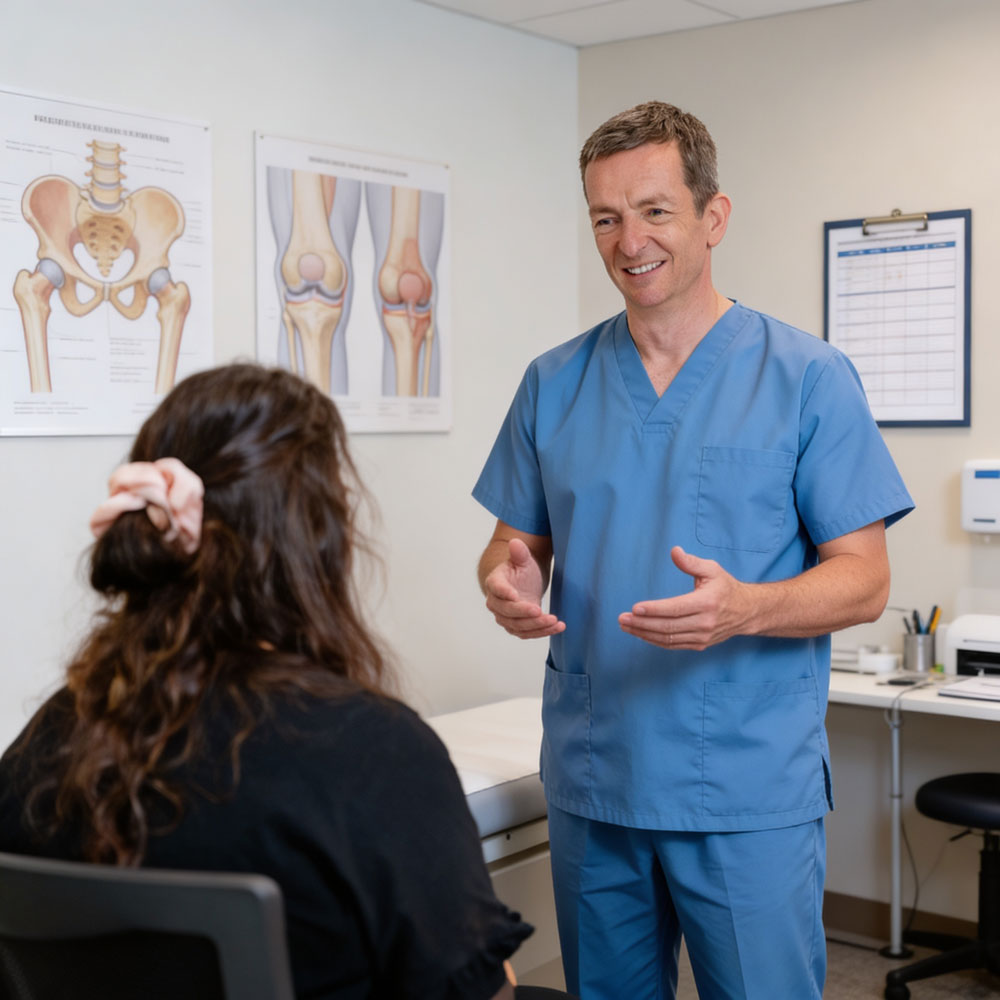
Your journey begins with a referral from your GP or another medical specialist. A referral is required to book your initial appointment and allows you to access the applicable Medicare rebate for specialist consultations. During your consultation, Dr Samson will review your symptoms, medical history, previous treatments, and imaging, before performing a clinical assessment of your hip. This appointment is an opportunity to discuss how your hip condition is affecting your mobility, daily activities, exercise, and quality of life.

Non-surgical and surgical treatment options will be discussed, including whether total hip replacement surgery may be an appropriate option for your individual needs.  If hip replacement surgery is recommended, additional imaging or investigations may sometimes be arranged to assist with surgical planning and preparation.

Step 2. Pre-operative planning and surgical preparation

Careful planning plays an important role in hip replacement surgery. Prior to your procedure, Dr Samson reviews detailed imaging to assist with implant selection, joint alignment, leg length restoration, and surgical planning. Advanced digital planning technology may also be used to help tailor the procedure to your individual anatomy.
In the weeks leading up to surgery, you will receive guidance about preparing for your hospital stay and recovery at home. You may wish to:

Several additional steps may also help support recovery and reduce surgical risks:

Step 3. Pre-operative assessment and orthopaedic liaison nurse support

Prior to surgery, you will attend a pre-operative assessment with Dr Samson and the orthopaedic liaison nurse. During this appointment, your imaging, blood tests, anaesthetic assessment, medications, and overall health will be reviewed. The orthopaedic liaison nurse will also help prepare you for your surgery, hospital stay, and recovery. 
This may include:
You will usually continue to receive follow-up support for approximately six weeks after surgery.

Step 4. Anaesthesia Consultation

Dr Samson works closely with experienced anaesthetists, including Dr Ivan Ward and Dr Alex Bull, who will be involved in your care during surgery. Prior to your procedure, your anaesthetist will review your medical history, medications, allergies, and overall health to determine the most appropriate anaesthetic approach for you.
This appointment may include discussion about:

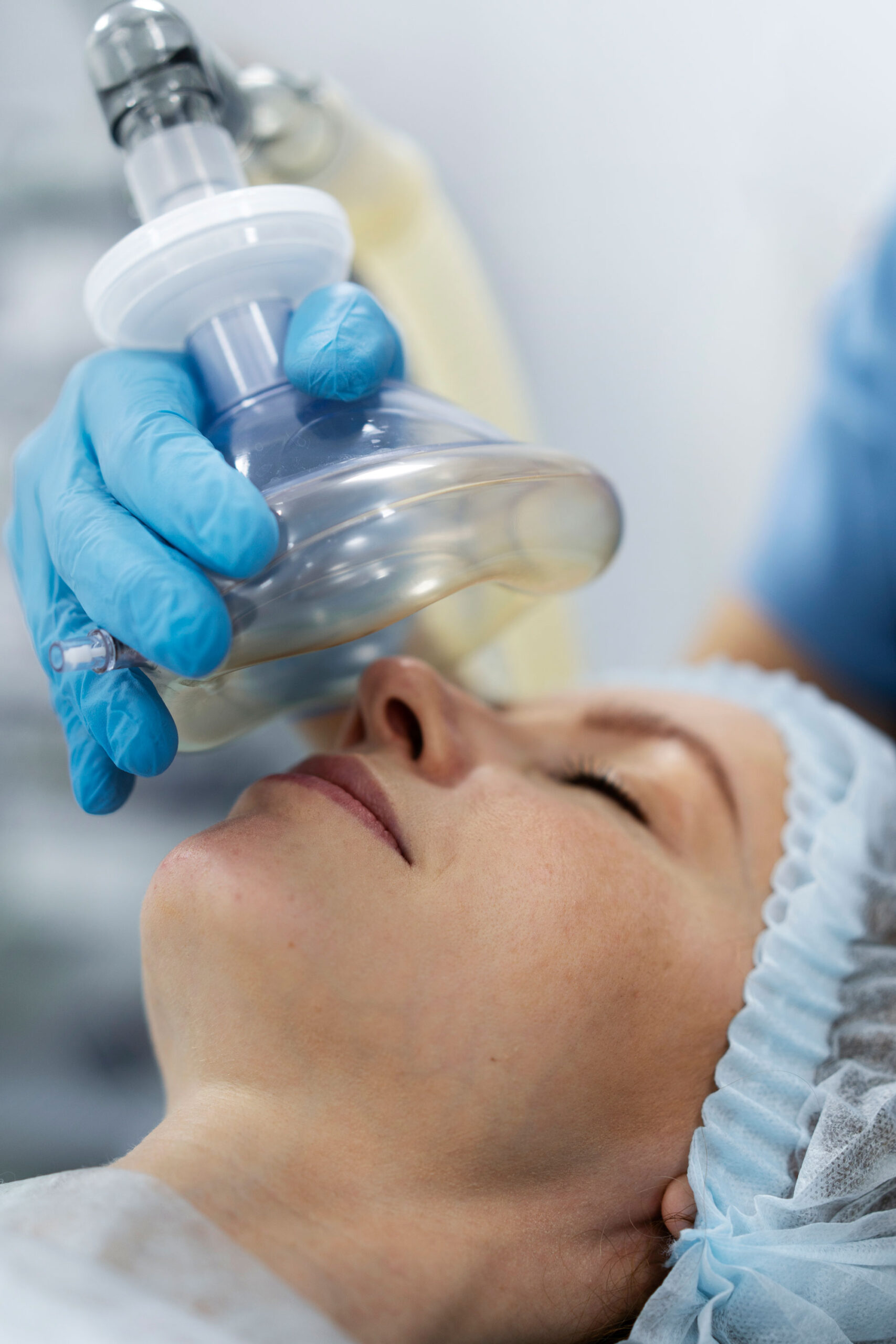
Spinal anaesthesia is commonly used for hip replacement surgery and is often combined with sedation to help keep you comfortable throughout the procedure.

Step 5. What to bring to hospital

To help make your hospital stay more comfortable, you may wish to bring:
It is generally recommended that valuables are left at home where possible.

Step 6. Your surgery day

On the day of surgery, you will be admitted to hospital at the time advised during your pre-admission phone call.
Before surgery:
Dr Samson will also review the surgical plan with you and answer any final questions before you are taken to theatre.

Step 7. The Total Hip Replacement Surgical Procedure

Once the anaesthetic has taken effect, Dr Samson will begin the hip replacement procedure using the surgical plan developed during your pre-operative planning.

During surgery:
Before completing the procedure, careful checks are performed to ensure the hip moves smoothly and the implants are stable and well positioned. The procedure generally takes approximately 1 to 2 hours, although this can vary depending on individual circumstances. Most patients remain in hospital for approximately 2 to 4 days, depending on recovery progress and overall health.

Recovery, pain management, and rehabilitation

Recovery following total hip replacement surgery occurs gradually over time. While every patient recovers differently, most people are encouraged to begin moving and walking soon after surgery with support from the physiotherapy team.

Pain relief is carefully managed following surgery to help keep you comfortable and support early mobilisation. This may include a combination of medications tailored to your individual needs.

In many cases, a spinal anaesthetic used during surgery can continue to provide pain relief in the early stages after the procedure. Ice therapy, gentle movement, and regular physiotherapy also play an important role in recovery and comfort.

Most patients remain in hospital for approximately 2 to 4 days following surgery, depending on their recovery and overall health.

During your hospital stay, the nursing and physiotherapy team will assist you with:

Patients undergoing an anterior hip replacement are often able to begin walking soon after surgery. Some patients who undergo a posterior hip replacement may also be advised to follow temporary hip precautions during the early recovery period.

Physiotherapy is an important part of recovery following hip replacement surgery. Rehabilitation focuses on gradually improving:

Most patients continue physiotherapy exercises at home after discharge, with activity levels gradually increasing over time.

Recovery timelines vary between individuals, however many patients are able to gradually return to everyday activities over the weeks following surgery.

Driving, work, exercise, and recreational activities will depend on your recovery progress, the type of work or activity involved, and your individual surgical plan. Dr Anthony Samson will provide personalised guidance throughout your recovery.

Recovering from total hip replacement

Recovery following total hip replacement surgery occurs gradually over the weeks and months after your procedure. While each patient’s recovery is different, most people begin to notice improvements in pain and mobility as the hip heals and strength returns. Shortly after surgery, you will be encouraged to begin gentle movement and walking with the assistance of physiotherapists. Early mobilisation is an important part of recovery, helping to improve circulation, reduce stiffness, and support the function of the new hip joint.

Hospital Recovery

Most patients remain in hospital for approximately two to four days following hip replacement surgery. During this time, the hospital care team will monitor your recovery, manage pain levels, and assist you in beginning physiotherapy exercises. You will usually begin standing and walking within the first day after surgery, initially with the support of a walking aid such as a frame or crutches. Physiotherapists will guide you through exercises designed to restore movement, strengthen the muscles around the hip, and help you move safely.

Returning Home

Once you are medically stable and able to move safely with assistance, you will be discharged home. Before leaving the hospital, you will receive instructions regarding:

You will usually be provided with a short supply of medications to take home, which may include pain relief medication and, in some cases, medications to help reduce the risk of blood clots. It is important to take these medications as directed. If you require additional prescriptions once you have returned home, these will usually need to be arranged through your GP. The hospital and Dr Harvie’s rooms are generally not able to provide ongoing prescriptions after your discharge, so it is advisable to contact your GP if you are running low on medication or require further pain relief. It is also helpful to have support at home during the early stages of recovery, particularly with daily tasks such as cooking, household activities, and transportation.

Ongoing Recovery

In the weeks following surgery, mobility and strength continue to improve as you progress with physiotherapy and rehabilitation exercises. Many patients gradually return to everyday activities such as walking longer distances, driving, and light household tasks. Recovery timelines vary depending on the individual, overall health, and the level of activity before surgery. Dr Harvie will review your progress during follow-up appointments and guide you through the next stages of recovery.

Physiotherapy and rehabilitation guidelines after hip replacement

Physiotherapy and rehabilitation play an important role in recovery following total hip replacement surgery. A structured rehabilitation program helps restore movement, strength, and confidence in using your new hip joint. Physiotherapy typically begins shortly after surgery while you are still in hospital. A physiotherapist will guide you through gentle exercises designed to improve circulation, reduce stiffness, and help you begin moving safely.

During your hospital stay, the physiotherapy team will assist you with:

Early movement is encouraged as it helps promote circulation, reduce stiffness, and support the healing process.

In the posterior approach, the hip joint is accessed from the back of the hip. This technique has been used for many years and provides excellent access to the hip joint during surgery. The posterior approach involves working through muscles and soft tissues at the back of the hip to access the joint. Once the hip replacement components are positioned, these tissues are carefully repaired.


Following a posterior hip replacement, some patients may be advised to follow hip precautions during the early recovery period to help reduce the risk of hip dislocation while the soft tissues heal. These precautions may include avoiding movements such as deep bending of the hip, twisting the leg inward, or crossing the legs.

In the posterior approach, the hip joint is accessed from the back of the hip. This technique has been used for many years and provides excellent access to the hip joint during surgery. The posterior approach involves working through muscles and soft tissues at the back of the hip to access the joint. Once the hip replacement components are positioned, these tissues are carefully repaired.


Following a posterior hip replacement, some patients may be advised to follow hip precautions during the early recovery period to help reduce the risk of hip dislocation while the soft tissues heal. These precautions may include avoiding movements such as deep bending of the hip, twisting the leg inward, or crossing the legs.

Frequently asked questions about total hip replacement surgery

How long does hip replacement surgery take?

Do I need a referral to book an appointment?
Yes. A referral from your GP or another specialist is required to receive a Medicare rebate. If you’re unsure whether your referral is still valid, our team is happy to help.

How do I make an appointment?
You can contact our rooms by phone or email. Our reception team will guide you through the booking process and help find a suitable appointment time.

How long will my appointment take?
Initial consultations are usually longer to allow time for discussion, examination and review of imaging. Follow-up appointments are typically shorter.

Can I bring someone with me?
Absolutely. Many patients find it helpful to bring a partner, family member or friend for support.

Will I receive a Medicare rebate?
Yes, if you have a valid referral. Medicare provides a rebate for specialist consultations.

Will there be out-of-pocket costs?
There is usually a gap between the consultation fee and the Medicare rebate. If surgery is recommended, you will receive a written estimate outlining any potential out-of-pocket costs so you can make informed decisions.

Do you accept all private health funds?
Yes. We work with all major Australian private health funds. We recommend confirming your level of cover directly with your insurer prior to any planned surgery.

What if I don’t have private health insurance?
Some procedures can still be performed privately without insurance. Our team can discuss the options available and help guide you.

What should I bring?

Please bring:

  • Your referral
  • Any recent imaging (or details of where it was performed)
  • A list of medications
  • Relevant medical history

Comfortable clothing that allows examination of the affected area can also be helpful.

Do I need imaging before my appointment?
Often yes. Your GP may arrange initial X-rays, or our administration team may organise this when booking your appointment. If further imaging is required, this can be arranged after your consultation.

Will my GP be informed?
Yes. A detailed letter outlining your consultation and treatment plan will be sent to your referring doctor.

Do I have to decide about surgery immediately?
No. Decisions about surgery are made carefully and collaboratively. You are encouraged to take time, ask questions and consider your options.

What is your cancellation policy?
We understand that circumstances change. If you need to reschedule, we simply ask for as much notice as possible so the appointment can be offered to another patient.

Do you offer telehealth appointments?
Telehealth may be available in selected situations. Please discuss this with our team when booking.

Can I request copies of my records or imaging reports?
Yes. Please contact our rooms and we will guide you through the process.

Is surgery always recommended? No. Surgery is only recommended when it is likely to meaningfully improve pain, function or quality of life. Non-surgical options are always considered where appropriate. What can I expect from Dr Samson’s approach? Dr Samson focuses on clear communication, thoughtful decision-making and individualised care. Treatment plans are tailored to each patient’s needs, goals and lifestyle.
If you have questions that aren’t covered here, please don’t hesitate to contact our team. We’re here to help you feel informed, supported and confident in your care.
Is surgery always recommended? No. Surgery is only recommended when it is likely to meaningfully improve pain, function or quality of life. Non-surgical options are always considered where appropriate. What can I expect from Dr Samson’s approach? Dr Samson focuses on clear communication, thoughtful decision-making and individualised care. Treatment plans are tailored to each patient’s needs, goals and lifestyle.
If you have questions that aren’t covered here, please don’t hesitate to contact our team. We’re here to help you feel informed, supported and confident in your care.
Is surgery always recommended? No. Surgery is only recommended when it is likely to meaningfully improve pain, function or quality of life. Non-surgical options are always considered where appropriate. What can I expect from Dr Samson’s approach? Dr Samson focuses on clear communication, thoughtful decision-making and individualised care. Treatment plans are tailored to each patient’s needs, goals and lifestyle.
If you have questions that aren’t covered here, please don’t hesitate to contact our team. We’re here to help you feel informed, supported and confident in your care.
Is surgery always recommended? No. Surgery is only recommended when it is likely to meaningfully improve pain, function or quality of life. Non-surgical options are always considered where appropriate. What can I expect from Dr Samson’s approach? Dr Samson focuses on clear communication, thoughtful decision-making and individualised care. Treatment plans are tailored to each patient’s needs, goals and lifestyle.
If you have questions that aren’t covered here, please don’t hesitate to contact our team. We’re here to help you feel informed, supported and confident in your care.
Is surgery always recommended? No. Surgery is only recommended when it is likely to meaningfully improve pain, function or quality of life. Non-surgical options are always considered where appropriate. What can I expect from Dr Samson’s approach? Dr Samson focuses on clear communication, thoughtful decision-making and individualised care. Treatment plans are tailored to each patient’s needs, goals and lifestyle.
If you have questions that aren’t covered here, please don’t hesitate to contact our team. We’re here to help you feel informed, supported and confident in your care.
Is surgery always recommended? No. Surgery is only recommended when it is likely to meaningfully improve pain, function or quality of life. Non-surgical options are always considered where appropriate. What can I expect from Dr Samson’s approach? Dr Samson focuses on clear communication, thoughtful decision-making and individualised care. Treatment plans are tailored to each patient’s needs, goals and lifestyle.
If you have questions that aren’t covered here, please don’t hesitate to contact our team. We’re here to help you feel informed, supported and confident in your care.
Is surgery always recommended? No. Surgery is only recommended when it is likely to meaningfully improve pain, function or quality of life. Non-surgical options are always considered where appropriate. What can I expect from Dr Samson’s approach? Dr Samson focuses on clear communication, thoughtful decision-making and individualised care. Treatment plans are tailored to each patient’s needs, goals and lifestyle.
If you have questions that aren’t covered here, please don’t hesitate to contact our team. We’re here to help you feel informed, supported and confident in your care.
Is surgery always recommended? No. Surgery is only recommended when it is likely to meaningfully improve pain, function or quality of life. Non-surgical options are always considered where appropriate. What can I expect from Dr Samson’s approach? Dr Samson focuses on clear communication, thoughtful decision-making and individualised care. Treatment plans are tailored to each patient’s needs, goals and lifestyle.
If you have questions that aren’t covered here, please don’t hesitate to contact our team. We’re here to help you feel informed, supported and confident in your care.
Is surgery always recommended? No. Surgery is only recommended when it is likely to meaningfully improve pain, function or quality of life. Non-surgical options are always considered where appropriate. What can I expect from Dr Samson’s approach? Dr Samson focuses on clear communication, thoughtful decision-making and individualised care. Treatment plans are tailored to each patient’s needs, goals and lifestyle.
If you have questions that aren’t covered here, please don’t hesitate to contact our team. We’re here to help you feel informed, supported and confident in your care.
Is surgery always recommended? No. Surgery is only recommended when it is likely to meaningfully improve pain, function or quality of life. Non-surgical options are always considered where appropriate. What can I expect from Dr Samson’s approach? Dr Samson focuses on clear communication, thoughtful decision-making and individualised care. Treatment plans are tailored to each patient’s needs, goals and lifestyle.
If you have questions that aren’t covered here, please don’t hesitate to contact our team. We’re here to help you feel informed, supported and confident in your care.
Is surgery always recommended? No. Surgery is only recommended when it is likely to meaningfully improve pain, function or quality of life. Non-surgical options are always considered where appropriate. What can I expect from Dr Samson’s approach? Dr Samson focuses on clear communication, thoughtful decision-making and individualised care. Treatment plans are tailored to each patient’s needs, goals and lifestyle.
If you have questions that aren’t covered here, please don’t hesitate to contact our team. We’re here to help you feel informed, supported and confident in your care.
Is surgery always recommended? No. Surgery is only recommended when it is likely to meaningfully improve pain, function or quality of life. Non-surgical options are always considered where appropriate. What can I expect from Dr Samson’s approach? Dr Samson focuses on clear communication, thoughtful decision-making and individualised care. Treatment plans are tailored to each patient’s needs, goals and lifestyle.
If you have questions that aren’t covered here, please don’t hesitate to contact our team. We’re here to help you feel informed, supported and confident in your care.
Is surgery always recommended? No. Surgery is only recommended when it is likely to meaningfully improve pain, function or quality of life. Non-surgical options are always considered where appropriate. What can I expect from Dr Samson’s approach? Dr Samson focuses on clear communication, thoughtful decision-making and individualised care. Treatment plans are tailored to each patient’s needs, goals and lifestyle.
If you have questions that aren’t covered here, please don’t hesitate to contact our team. We’re here to help you feel informed, supported and confident in your care.
Is surgery always recommended? No. Surgery is only recommended when it is likely to meaningfully improve pain, function or quality of life. Non-surgical options are always considered where appropriate. What can I expect from Dr Samson’s approach? Dr Samson focuses on clear communication, thoughtful decision-making and individualised care. Treatment plans are tailored to each patient’s needs, goals and lifestyle.
If you have questions that aren’t covered here, please don’t hesitate to contact our team. We’re here to help you feel informed, supported and confident in your care.
Is surgery always recommended? No. Surgery is only recommended when it is likely to meaningfully improve pain, function or quality of life. Non-surgical options are always considered where appropriate. What can I expect from Dr Samson’s approach? Dr Samson focuses on clear communication, thoughtful decision-making and individualised care. Treatment plans are tailored to each patient’s needs, goals and lifestyle.
If you have questions that aren’t covered here, please don’t hesitate to contact our team. We’re here to help you feel informed, supported and confident in your care.
Is surgery always recommended? No. Surgery is only recommended when it is likely to meaningfully improve pain, function or quality of life. Non-surgical options are always considered where appropriate. What can I expect from Dr Samson’s approach? Dr Samson focuses on clear communication, thoughtful decision-making and individualised care. Treatment plans are tailored to each patient’s needs, goals and lifestyle.
If you have questions that aren’t covered here, please don’t hesitate to contact our team. We’re here to help you feel informed, supported and confident in your care.
Is surgery always recommended? No. Surgery is only recommended when it is likely to meaningfully improve pain, function or quality of life. Non-surgical options are always considered where appropriate. What can I expect from Dr Samson’s approach? Dr Samson focuses on clear communication, thoughtful decision-making and individualised care. Treatment plans are tailored to each patient’s needs, goals and lifestyle.
If you have questions that aren’t covered here, please don’t hesitate to contact our team. We’re here to help you feel informed, supported and confident in your care.

Start Your Journey to Recovery

Dr Anthony Samson welcomes new patients with a valid referral from your General Practitioner (GP) or specialist.