Dr Anthony Samson provides specialist care for hip conditions including arthritis, tendon disorders and complex or revision hip surgery. Using modern techniques such as anterior approach hip replacement and enhanced recovery pathways, treatment is tailored to each patient’s condition, lifestyle and recovery goals.
Hip pain can develop for a range of reasons, from gradual wear and tear through to injury or underlying structural conditions. These issues may affect your ability to move comfortably, participate in daily activities, or maintain your quality of life.
If your symptoms are persistent or worsening, a thorough assessment can help identify the underlying cause and guide appropriate treatment options based on your individual needs.
On this page, you’ll find an overview of common hip conditions that may lead to pain, stiffness or reduced function.
Hip pain is a common symptom that can affect people of all ages and may develop gradually or occur suddenly. It can be felt in the groin, outer hip, buttock or even radiate down the thigh, depending on the underlying cause. In many cases, hip pain is related to changes within the joint itself, such as cartilage wear or inflammation. It may also arise from surrounding structures, including muscles, tendons or bursae. Occasionally, pain felt around the hip can originate from other areas, such as the lower back.
Common causes of hip pain may include:
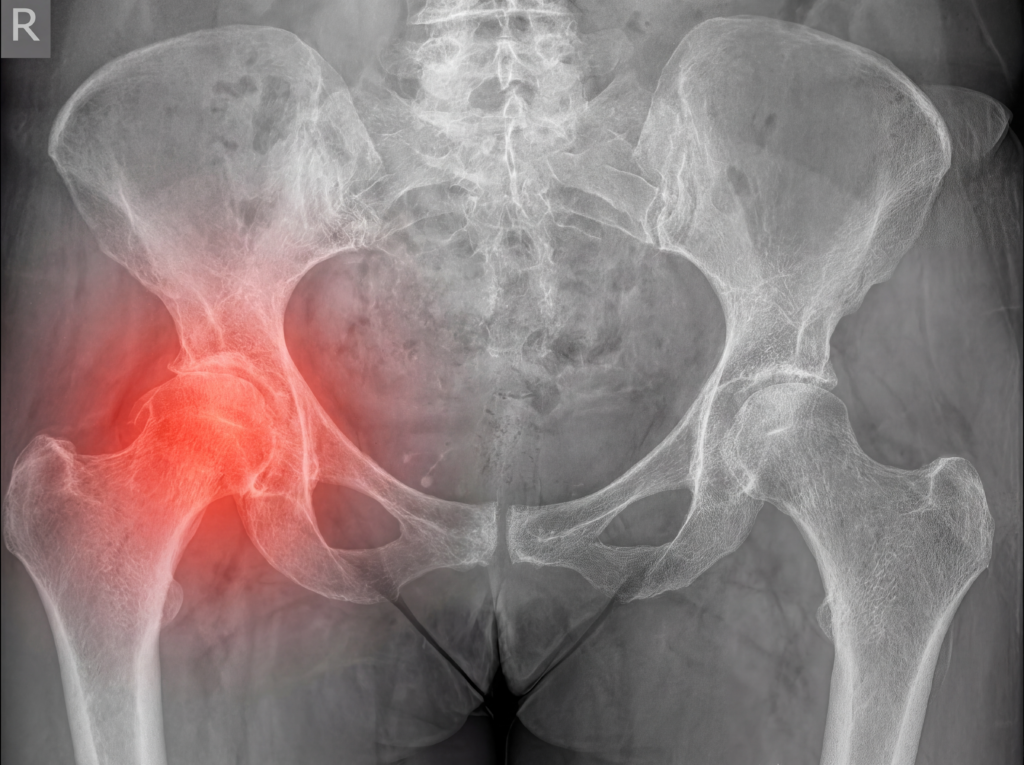
Hip arthritis, most commonly osteoarthritis, is a condition where the smooth cartilage lining the hip joint gradually wears down over time. This can lead to increased friction within the joint, resulting in pain, stiffness, and reduced movement.
Hip Arthritis typically develops gradually and becomes more common with increasing age, although it can also occur earlier due to previous injury, structural differences such as hip dysplasia, or increased joint loading over time.
As the condition progresses, symptoms may become more persistent and begin to impact daily activities and quality of life.
Treatment options for hip arthritis
Management depends on the severity of symptoms and how much they affect your function. Early treatment may include activity modification, physiotherapy and pain management strategies. When symptoms become more advanced and non-surgical treatments are no longer effective, surgical treatment may be considered. The most commonly performed procedure is total hip replacement (arthroplasty), which aims to relieve pain and improve mobility by replacing the damaged joint surfaces.
In selected cases, different surgical approaches may be discussed, including:
If you have previously had a hip replacement and continue to experience pain or complications, revision hip replacement surgery may also be considered.
A thorough assessment can help confirm the diagnosis and guide the most appropriate treatment plan based on your individual needs.
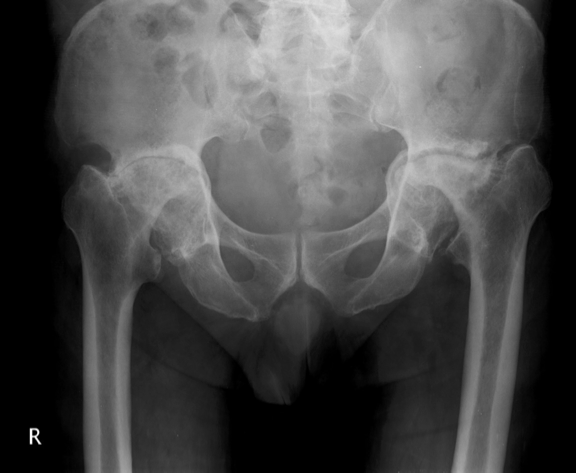
Avascular necrosis (AVN), also known as osteonecrosis, is a condition where the blood supply to part of the hip joint is reduced or disrupted. Without an adequate blood supply, the bone tissue in the femoral head (the ball of the hip joint) can begin to weaken and break down over time. In the early stages, symptoms may be mild or not noticeable. As the condition progresses, the bone may lose its structural support, which can lead to collapse of the joint surface and the development of arthritis.
Treatment options for avascular necrosis
Management depends on the stage of the condition and how much the joint has been affected. In the early stages, treatment may focus on activity modification, medications and strategies to reduce stress on the joint. As the condition progresses and the joint surface becomes affected, surgical treatment may be considered. In many cases, particularly where there is collapse of the femoral head or secondary arthritis, total hip replacement (arthroplasty) may be recommended to help restore function and improve comfort.
Early diagnosis remains important, as treatment options may be more effective before significant joint damage occurs. A detailed assessment and appropriate imaging can help determine the extent of the condition and guide the most suitable treatment approach.
Hip dysplasia is a condition where the hip socket (acetabulum) does not fully cover or support the ball of the joint. This can lead to increased stress on the cartilage and surrounding structures, which may cause pain, instability and, over time, early joint wear. While some people are diagnosed in infancy or childhood, others may not become aware of the condition until adulthood, often when symptoms begin to develop.
Common symptoms may include:
Over time, the abnormal mechanics of the joint can lead to early osteoarthritis, particularly if the condition is not identified and managed.
Treatment options for hip dysplasia
Management depends on the severity of the dysplasia, your symptoms and the degree of joint damage. In earlier stages, treatment may include activity modification, physiotherapy and strategies to support joint stability and reduce load on the hip. As the condition progresses and cartilage damage or arthritis develops, surgical treatment may be considered. In many cases where there is established joint degeneration, total hip replacement (arthroplasty) may be recommended to help restore joint function and improve comfort.
Depending on your individual anatomy and surgical planning, different techniques may be discussed, including:
Post-traumatic hip arthritis can develop following an injury to the hip joint, such as a fracture, dislocation or significant soft tissue damage. Even when an injury is treated appropriately, it can alter the mechanics of the joint or affect the cartilage, leading to gradual wear over time. This type of arthritis may develop months or years after the initial injury and can progressively impact comfort, mobility and overall joint function.
Common causes may include:
As the condition progresses, symptoms may become more persistent and begin to affect daily activities and quality of life.
Treatment options for post-traumatic hip arthritis
Management depends on the extent of joint damage and how much your symptoms affect your function. Early treatment may include physiotherapy, activity modification and pain management strategies. When joint damage becomes more advanced and non-surgical treatments are no longer effective, surgical treatment may be considered. In many cases, total hip replacement (arthroplasty) may be recommended to help relieve pain and restore function by replacing the damaged joint surfaces.
A hip replacement is designed to relieve pain and improve mobility, and most function well for many years. In some cases, however, problems can develop over time that affect how the joint performs. This is often referred to as a “failed” hip replacement. Failure does not always mean the implant has completely stopped working. It may relate to ongoing pain, reduced function, or complications affecting the joint.

Assessment of a failed hip replacement
A detailed assessment is important to identify the cause of your symptoms. This may include clinical examination, X-rays and, in some cases, more advanced imaging or blood tests to assess for infection or implant-related issues.
Treatment options for a failed hip replacement
Treatment depends on the underlying cause and severity of the problem. In some cases, non-surgical management may help with symptom control.
When the implant is no longer functioning as intended, revision hip replacement (arthroplasty) may be considered. This involves removing and replacing some or all of the existing components to restore stability, improve function and reduce pain.
Revision surgery is generally more complex than initial hip replacement, and the surgical approach will be tailored to your situation. In some cases, specialised implants or techniques may be required to address bone loss or instability. A thorough assessment helps determine the cause of the problem and guide appropriate treatment.
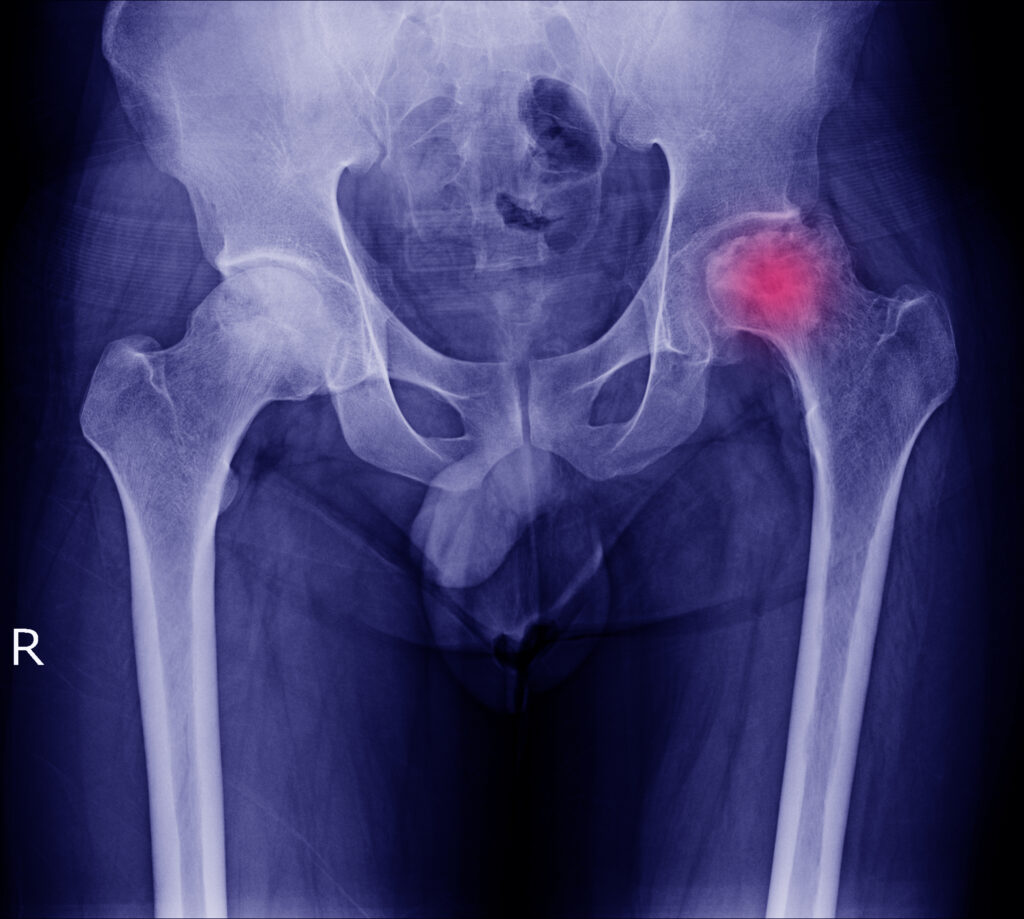
A hip fracture is a break in the upper part of the thigh bone (femur), usually occurring near the hip joint. It is most commonly the result of a fall, particularly in older adults, although it can also occur following trauma such as a motor vehicle accident. Hip fractures can significantly affect mobility and independence and are typically treated urgently to help restore movement and reduce the risk of complications associated with immobility.
Treatment options for a hip fracture
Hip fractures are usually treated with surgery, as this allows earlier mobilisation and may reduce the risk of complications such as blood clots, chest infections and muscle weakness. The type of surgery recommended will depend on the location and pattern of the fracture, as well as your overall health and bone quality. In some cases, the bone may be repaired using screws, plates or rods. In other cases, particularly where the joint surface is affected or there is pre-existing arthritis, hip replacement surgery (arthroplasty) may be considered. Following surgery, early mobilisation and rehabilitation are important to support recovery and help restore independence.