

Knee Surgery
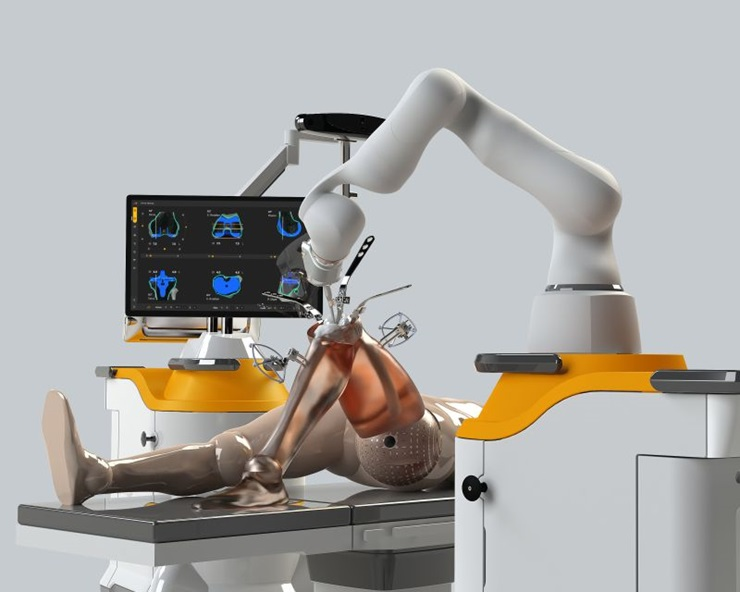
Dr Anthony Samson provides experienced surgical care for knee conditions including knee arthritis, ligament and meniscal injuries, and complex or revision knee surgery. With a focus on modern techniques such as robotic arm-assisted knee replacement and enhanced recovery pathways, care is tailored to each patient’s condition, lifestyle and recovery goals.
Knee Osteoarthritis
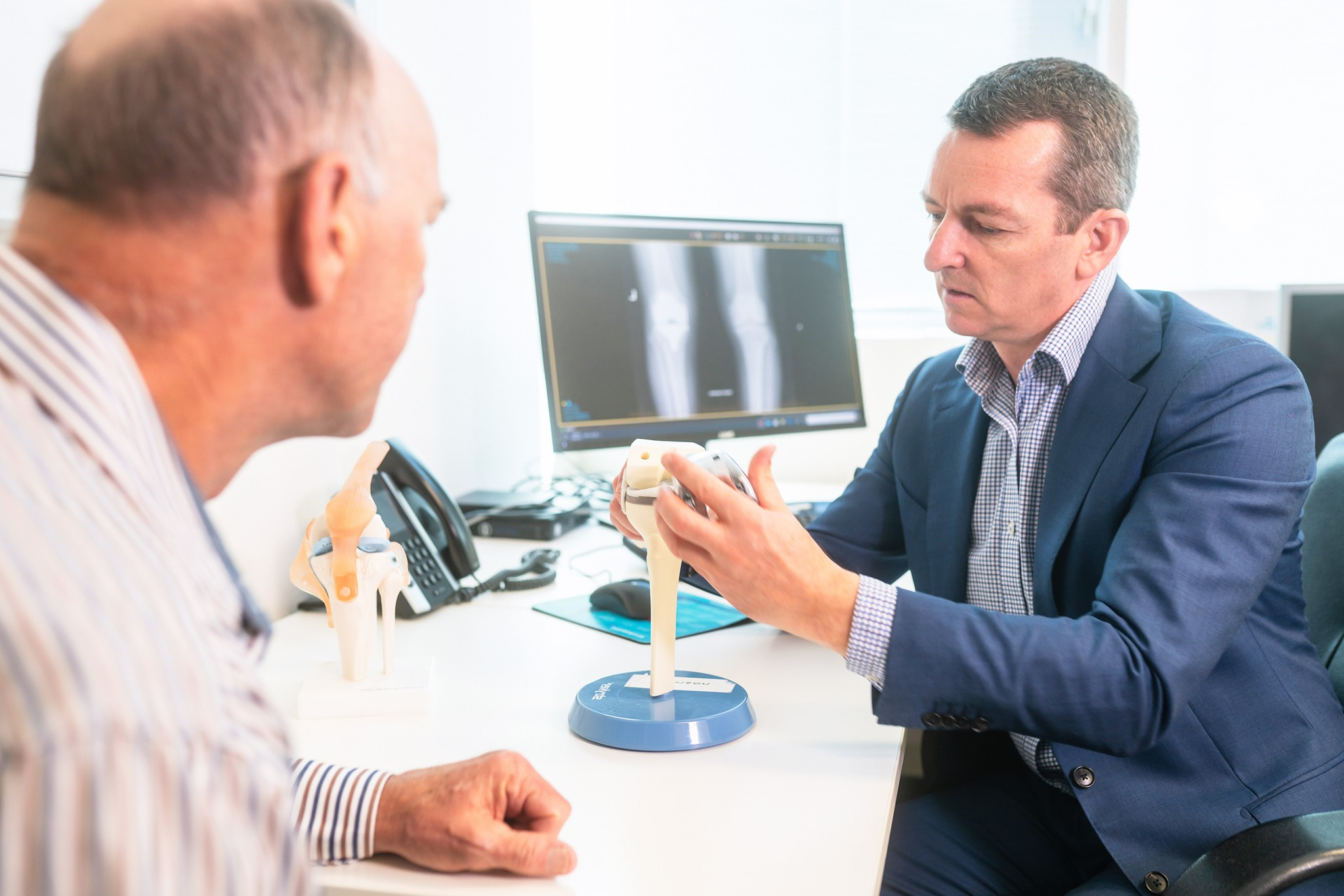
Osteoarthritis occurs when the protective cartilage in the knee joint gradually wears down over time. This can lead to pain, stiffness and reduced mobility, particularly during walking, climbing stairs or prolonged activity. When symptoms progress, treatments such as partial knee replacement or total knee replacement may be considered.
Knee Ligament Injuries
Ligament injuries, particularly anterior cruciate ligament (ACL) tears, are common in sports involving sudden changes in direction or pivoting movements. Damage to the ACL can cause knee instability, swelling and difficulty returning to sport. In some cases, ACL reconstruction surgery may be recommended to restore stability.
Common Causes of Knee Pain and Joint Damage
Meniscus Tears
The meniscus is a piece of cartilage that helps cushion and stabilise the knee joint. Tears can occur due to sports injuries, twisting movements or age-related degeneration. Symptoms may include pain, swelling, clicking or locking of the knee. Meniscus repair or surgical treatment may be considered depending on the type of tear.
Cartilage Damage in the Knee
Damage to the cartilage lining the knee joint can occur due to injury, wear or underlying joint conditions. When cartilage is injured, it can lead to pain, swelling and reduced joint movement. In some cases, procedures such as osteochondral repair or joint replacement surgery may be considered to restore joint function.
Knee Surgical Treatments
Knee pain and reduced mobility can have a significant impact on your daily activities, work and quality of life. When non-surgical treatments are no longer providing adequate relief, knee surgery may be considered to help restore movement and improve joint function.
Partial Knee Replacement
Partial knee replacement surgery replaces only the damaged part of the knee joint while preserving the healthy areas of the knee. This procedure may be considered when arthritis affects only one compartment of the knee.
Patellofemoral Joint Replacement
Patellofemoral joint replacement involves replacing the damaged cartilage between the kneecap and the front of the thigh bone. This procedure may be considered when arthritis is limited to the patellofemoral compartment of the knee.
Total Knee Replacement
Total knee replacement surgery involves replacing the worn surfaces of the knee joint with prosthetic components designed to restore smooth joint movement. The procedure is commonly performed to treat advanced knee arthritis when non-surgical treatments such as physiotherapy, medication or injections are no longer providing adequate relief. The goal of surgery is to help reduce pain, improve stability and support better mobility in everyday activities.
ACL Reconstruction
ACL reconstruction surgery is performed to restore stability to the knee after a tear of the anterior cruciate ligament. The procedure involves reconstructing the damaged ligament using a graft to help stabilise the knee joint.
Meniscus Repair
Meniscus repair surgery treats tears in the cartilage that cushions the knee joint. Depending on the type and location of the tear, the damaged meniscus may be repaired or surgically treated to support knee stability and movement.
Start Your Journey to Recovery
Dr Anthony Samson welcomes new patients with a valid referral from a General Practitioner (GP) or another medical specialist.

Frequently Asked Questions
When might knee surgery be recommended?
Knee surgery may be considered when pain, stiffness or instability continues to affect daily activities despite non-surgical treatments such as physiotherapy, medication or injections. During your consultation, Dr Samson will assess your symptoms, examine your knee and review imaging to determine the most appropriate treatment options.
How long does recovery from knee surgery take?
Recovery time can vary depending on the procedure performed and your overall health. Many patients begin gentle movement and physiotherapy soon after surgery, with gradual improvement over the following weeks and months. Your recovery plan will be tailored to support safe healing and return to activity.
What types of knee surgery does Dr Samson perform?
Dr Samson performs a range of knee procedures including total knee replacement, robotic-assisted knee replacement, partial knee replacement, ACL reconstruction and meniscus repair. The most appropriate procedure will depend on your diagnosis and individual treatment needs.
Will I need physiotherapy after knee surgery?
Physiotherapy is often an important part of recovery after knee surgery. Guided exercises help restore movement, strength and stability in the knee joint. Your rehabilitation plan will be discussed with you following surgery to support recovery and return to daily activities.